✪ Key Takeaway: Carrots can help lower blood pressure through potassium, fiber, and antioxidants that support healthy blood vessel function naturally.
Introduction
You walk through the produce section and see those bright orange carrots stacked neatly in bins.
You might be asking this question because your doctor told you to watch your blood pressure or because you want to prevent problems before they start.
Hi, I am Abdur, your nutrition coach and today I am going to explain exactly how carrots affect your blood pressure and whether they deserve a place in your daily diet.
What Makes Carrots Good for Blood Pressure?
Carrots contain potassium, which is one of the most important minerals for managing blood pressure.
One medium carrot provides about 230 milligrams of potassium, which helps your body balance out the negative effects of sodium.
When you eat enough potassium, your kidneys flush out more sodium through urine.
This process reduces the amount of fluid your body holds, which directly lowers the pressure inside your blood vessels.
Carrots also contain fiber, with about 2 grams per medium carrot, which helps reduce cholesterol levels that can damage your arteries over time.
Research published in the journal Hypertension shows that people who eat more potassium-rich vegetables have significantly lower blood pressure readings compared to those who eat less.
✪ Fact: Your body needs about 3,500 to 4,700 milligrams of potassium daily to maintain healthy blood pressure levels naturally.
How Do Antioxidants in Carrots Affect Your Heart?
Carrots are loaded with beta-carotene, which gives them their bright orange color and acts as a powerful antioxidant in your body.
Your body converts beta-carotene into vitamin A, which protects the inner lining of your blood vessels from damage.
When your blood vessel walls stay healthy and flexible, blood flows more easily without creating high pressure.
Carrots also contain other antioxidants like alpha-carotene and lutein that fight inflammation throughout your cardiovascular system.
A study in the journal Nature found that people who consumed more carotenoid-rich vegetables had lower systolic blood pressure measurements over time.
These compounds work by reducing oxidative stress, which is basically rust forming inside your arteries that makes them stiff and narrow.
The antioxidants in carrots help keep your arteries smooth and elastic, allowing them to expand and contract naturally with each heartbeat.
✪ Pro Tip: Eat carrots with a small amount of healthy fat like olive oil or nuts to boost your body’s absorption of fat-soluble antioxidants.
Does Carrot Juice Work Better Than Whole Carrots?
Carrot juice concentrates the nutrients from multiple carrots into one glass, giving you more potassium and antioxidants per serving.
One cup of carrot juice contains about 689 milligrams of potassium compared to 230 milligrams in one medium whole carrot.
However, juicing removes most of the fiber that helps slow down sugar absorption and supports healthy cholesterol levels.
A study published in Advances in Social Science showed that carrot juice consumption led to modest reductions in blood pressure among participants over several weeks.
The problem with juice is that it also concentrates the natural sugars, which can spike your blood glucose if you drink too much at once.
Whole carrots give you the complete package of fiber, water, and nutrients that work together to support your cardiovascular health without the sugar rush.
I recommend eating whole carrots most of the time and treating carrot juice as an occasional nutrient boost rather than a daily habit.
✪ Note: If you choose carrot juice, limit yourself to four ounces daily and always pair it with a meal to prevent blood sugar spikes.
How Many Carrots Should You Eat for Blood Pressure Benefits?
You do not need to eat massive amounts of carrots to see benefits for your blood pressure.
Research suggests that eating two to three medium carrots daily as part of a balanced diet can contribute meaningfully to better cardiovascular health.
This amount gives you roughly 460 to 690 milligrams of potassium plus a good dose of fiber and antioxidants.
The key is consistency rather than eating huge portions occasionally.
Your body benefits most when you provide steady amounts of these nutrients every single day.
Remember that carrots work best as part of an overall eating pattern that includes other vegetables, fruits, whole grains, and lean proteins.
The American Heart Association recommends eating a variety of colorful vegetables daily rather than relying on just one type to solve your blood pressure problems.
✪ Pro Tip: Prep a week’s worth of carrot sticks on Sunday and keep them in water in your fridge for quick, convenient snacking throughout the week.
What Other Foods Should You Combine With Carrots?
Carrots work even better when you combine them with other blood pressure-friendly foods in your daily meals.
Leafy greens like spinach and kale provide additional potassium and magnesium that help relax your blood vessels.
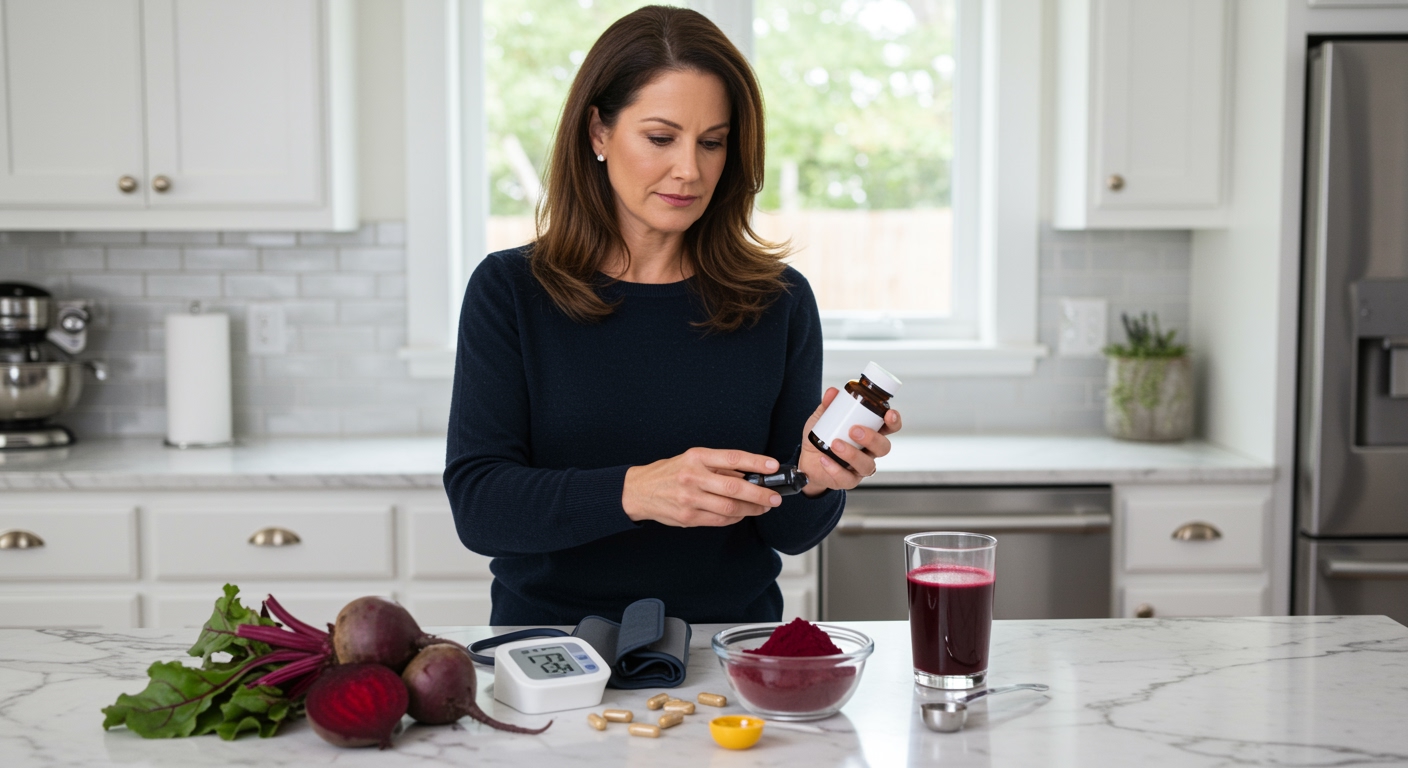
Beets contain natural nitrates that your body converts into nitric oxide, a compound that widens your arteries and improves blood flow.
Berries offer anthocyanins that protect your blood vessel walls from inflammation and oxidative damage.
Whole grains like oats and brown rice provide fiber that helps control cholesterol and maintain steady blood sugar levels.
Fatty fish such as salmon and mackerel supply omega-3 fatty acids that reduce inflammation throughout your cardiovascular system.
Building meals around these foods together creates a powerful eating pattern that supports healthy blood pressure from multiple angles at once.
✪ Fact: The DASH diet, which emphasizes vegetables like carrots along with other whole foods, can lower blood pressure as effectively as some medications.
The Bottom Line
Carrots absolutely can help with high blood pressure through their potassium, fiber, and antioxidant content that supports healthy blood vessel function.
Your health improves not from single miracle foods but from consistent daily choices that add up over time.
I would love to hear your thoughts on this topic, so please share any questions or experiences you have with using carrots or other vegetables to manage your blood pressure in the comments below.
References
At NutritionCrown, we use quality and credible sources to ensure our content is accurate and trustworthy. Below are the sources referenced in writing this article:
- PMC: Carrot Juice and Blood Pressure
- Atlantis Press: Effect of Carrot Juice on Blood Pressure
- Nature: Carotenoids and Blood Pressure
- American Heart Association: Hypertension Research