✪ Key Takeaway: Beet juice can help with diabetes when consumed in small amounts due to its nitrates, but its natural sugar content requires careful portion control.
Introduction
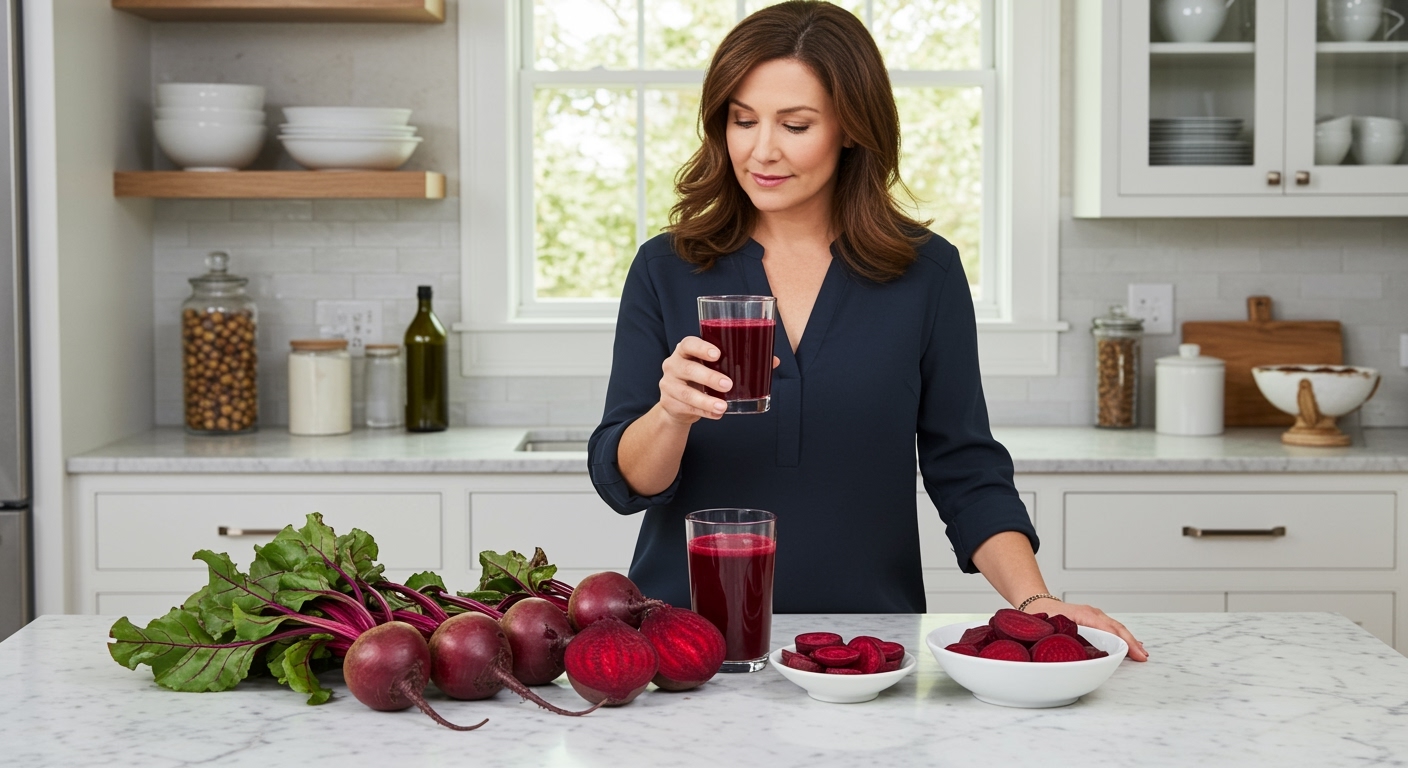
You walk into a health food store and see bottles of bright red beet juice with labels promising better blood sugar control.
You might be asking this question because you have diabetes or prediabetes and you want natural ways to manage your blood sugar without relying only on medication.
Hi, I am Abdur, your nutrition coach and today I am going to explain whether beet juice actually helps with diabetes or if it creates more problems than solutions.
What Makes Beet Juice Different From Other Vegetable Juices?
Beet juice stands out because it contains high levels of dietary nitrates that your body converts into nitric oxide.
Nitric oxide helps relax and widen your blood vessels, which improves blood flow throughout your body.
This process matters for people with diabetes because poor blood circulation is a common complication of the condition.
Research shows that improved blood flow can help reduce blood pressure, which often runs high in people with diabetes.
Beet juice also contains betalains, which are powerful antioxidant compounds that give beets their deep red color.
These antioxidants help fight inflammation and oxidative stress, two factors that worsen insulin resistance over time.
The combination of nitrates and antioxidants makes beet juice unique compared to other vegetable juices that lack these specific compounds in such concentrated amounts.
✪ Fact: One cup of beet juice contains approximately 16 grams of natural sugar, which equals about 4 teaspoons of sugar.
Does Beet Juice Actually Lower Blood Sugar Levels?
The answer is not as simple as yes or no because beet juice has both helpful and harmful effects on blood sugar.
Studies show that the nitrates in beet juice can improve insulin sensitivity, which means your cells respond better to insulin and take up glucose more efficiently.
Better insulin sensitivity leads to lower blood sugar levels over time because your body needs less insulin to move glucose from your bloodstream into your cells.
However, beet juice also contains natural sugars that can spike your blood glucose quickly, especially if you drink it on an empty stomach.
The glycemic index of beet juice sits around 64, which falls into the medium category and can cause moderate blood sugar increases.
One small study found that drinking beet juice before meals helped reduce post-meal blood sugar spikes in people with type 2 diabetes.
The key word here is small amounts because drinking large quantities will flood your system with sugar and cancel out any potential benefits from the nitrates.
✪ Pro Tip: Always dilute beet juice with water in a one-to-one ratio to reduce sugar concentration while keeping the beneficial nitrates.
How Much Beet Juice Should You Drink If You Have Diabetes?
Portion control becomes critical when you have diabetes because even healthy foods can harm you in excessive amounts.
Most research studies that showed benefits used 70 to 140 milliliters of beet juice, which equals roughly one-quarter to one-half cup.
This small amount provides enough nitrates to improve blood flow without overloading your system with sugar.
Drinking more than half a cup at once will likely cause your blood sugar to spike because you are consuming too much natural sugar in a concentrated liquid form.
Remember that juice removes the fiber from beets, and fiber is what slows down sugar absorption in your digestive system.
Without fiber, the sugar hits your bloodstream much faster than if you ate whole beets instead.
I recommend drinking beet juice with a meal that contains protein and healthy fats to slow down sugar absorption and prevent rapid blood glucose increases.
✪ Note: Eating whole cooked beets provides the same nitrates with added fiber that helps control blood sugar better than juice alone.
What Are The Other Health Benefits Of Beet Juice For People With Diabetes?
Beyond blood sugar management, beet juice offers several other benefits that matter for people living with diabetes.
The nitrates in beet juice can lower blood pressure by 4 to 10 points, which reduces your risk of heart disease and stroke.
People with diabetes face two to four times higher risk of cardiovascular disease compared to people without diabetes, so anything that protects your heart matters greatly.
Beet juice also improves exercise performance by increasing oxygen delivery to your muscles, which helps you stay active and manage your weight better.
Regular physical activity is one of the most powerful tools for controlling blood sugar, so anything that makes exercise easier supports your diabetes management.
The betalains in beets protect your liver from fatty deposits, which is important because fatty liver disease commonly develops alongside type 2 diabetes.
These compounds also support kidney health by reducing inflammation, and kidney disease is another serious complication that affects many people with long-term diabetes.
✪ Fact: Beet juice can turn your urine and stool pink or red, which is completely harmless and simply means your body is processing the betalain pigments.
Should You Choose Beet Juice Or Whole Beets For Better Blood Sugar Control?
Whole beets win this comparison every single time because they contain all the beneficial fiber that juice lacks.
Fiber slows down how quickly sugar enters your bloodstream, which prevents the rapid spikes that damage your blood vessels over time.
One cup of cooked beets contains about 4 grams of fiber along with the same nitrates and antioxidants found in beet juice.
This fiber also feeds the healthy bacteria in your gut, and research shows that a healthy gut microbiome improves insulin sensitivity and blood sugar control.
Whole beets take longer to eat than drinking juice, which gives your brain time to register fullness and prevents overconsumption.
You can roast beets, steam them, add them to salads, or blend them into smoothies with other low-sugar vegetables and protein sources.
If you still want to drink beet juice occasionally, treat it as a small supplement to your diet rather than a daily beverage, and always monitor how it affects your blood sugar levels personally.
✪ Pro Tip: Test your blood sugar 30 minutes and 2 hours after drinking beet juice to see exactly how your body responds to it.
The Bottom Line
Beet juice can help with diabetes when you drink it in small amounts and combine it with meals that contain protein and healthy fats.
Health is not about finding magic foods but about making smart choices consistently over time.
Share your experience with beet juice in the comments below and let me know if you have any questions about managing blood sugar with whole foods.
References
At NutritionCrown, we use quality and credible sources to ensure our content is accurate and trustworthy. Below are the sources referenced in writing this article:
- Healthline: Beetroot and Diabetes: Should You Eat It?
- Medical News Today: Are beets good for people with diabetes?
- National Center for Biotechnology Information: Beetroot Juice: An Emerging Ergogenic Aid
- National Center for Biotechnology Information: Effects of Beetroot Juice Supplementation on Intermittent High-Intensity Exercise