✪ Key Takeaway: Carrots can help lower high blood pressure due to their potassium, fiber, and antioxidant content that supports healthy blood vessel function.
Introduction
You have probably heard that carrots are good for your eyes since childhood.
But when your doctor tells you that your blood pressure numbers are creeping up, you start wondering if this orange vegetable can help your heart too.
Hi, I am Abdur, your nutrition coach and today I am going to explain exactly how carrots affect your blood pressure and whether you should make them a regular part of your diet.
What Makes Carrots Potentially Beneficial For Blood Pressure?
Carrots contain a powerful combination of nutrients that work together to support healthy blood pressure levels.
One medium carrot provides about 230 milligrams of potassium, which is a mineral that helps your body balance sodium levels.
When you consume enough potassium, your kidneys can flush out excess sodium through urine, which reduces the pressure on your blood vessel walls.
Carrots also contain dietary fiber, with one medium carrot providing about 2 grams.
Fiber helps reduce cholesterol absorption in your gut, which keeps your arteries clear and flexible.
The beta-carotene in carrots acts as an antioxidant that protects your blood vessels from oxidative damage caused by free radicals.
Research published in the Journal of Human Hypertension found that people who consumed more carotenoid-rich vegetables had lower blood pressure readings compared to those who ate fewer of these foods.
✪ Fact: Orange carrots were not the original variety, purple and yellow carrots dominated until Dutch farmers bred orange ones in the 17th century.
How Much Carrot Do You Need To See Blood Pressure Benefits?
The amount of carrots you need depends on your overall diet and current blood pressure status.
Most studies showing cardiovascular benefits used 200 to 300 grams of vegetables daily, which equals about two to three medium carrots.
However, you should not rely on carrots alone to manage your blood pressure.
The DASH diet, which stands for Dietary Approaches to Stop Hypertension, recommends four to five servings of vegetables daily from various sources.
One serving of carrots equals about half a cup of chopped raw carrots or one medium whole carrot.
You can spread your carrot intake throughout the day by adding them to your breakfast smoothie, munching them as a midday snack, or including them in your dinner salad.
The key is consistency rather than eating large amounts occasionally.
✪ Pro Tip: Keep pre-washed baby carrots in your refrigerator for quick snacking when hunger strikes between meals.
Does Cooking Method Change How Carrots Affect Blood Pressure?
The way you prepare carrots significantly impacts their nutritional value and blood pressure benefits.
Raw carrots provide maximum fiber content because cooking breaks down some of the fiber structure.
However, lightly cooking carrots actually increases the bioavailability of beta-carotene by breaking down the tough cell walls that trap this nutrient.
Steaming or roasting carrots with a small amount of healthy fat like olive oil helps your body absorb more of the fat-soluble antioxidants.
Boiling carrots in water causes some potassium to leach into the cooking water, so if you boil them, consider using that water in soups or sauces.
Avoid deep-frying carrots or coating them in heavy sauces that add excess sodium and unhealthy fats.
The best approach is eating carrots both raw and cooked throughout the week to get the full spectrum of benefits.
✪ Note: Carrot juice concentrates natural sugars while removing fiber, so whole carrots are better for blood pressure management than juice.
Can Carrots Lower Blood Pressure If You Already Take Medication?
Carrots can complement your blood pressure medication but should never replace it without medical supervision.
The nutrients in carrots work through different mechanisms than most blood pressure medications, so they can provide additional support.
However, if you dramatically increase your potassium intake from carrots and other vegetables, you need to inform your doctor.
Some blood pressure medications, particularly ACE inhibitors and potassium-sparing diuretics, can cause potassium levels to rise too high when combined with high-potassium foods.
Your doctor may need to adjust your medication dosage as your diet improves and your blood pressure naturally decreases.
Many people find that eating more vegetables like carrots as part of an overall healthy lifestyle allows them to reduce their medication over time.
Always work with your healthcare provider to monitor your blood pressure and make any medication adjustments safely.
✪ Pro Tip: Track your blood pressure readings at home after adding more carrots to see how dietary changes affect your numbers over weeks.
What Other Foods Should You Combine With Carrots For Better Results?
Carrots work best when combined with other nutrient-dense foods that support cardiovascular health.
Leafy greens like spinach and kale provide even more potassium and magnesium, which help relax blood vessel walls.
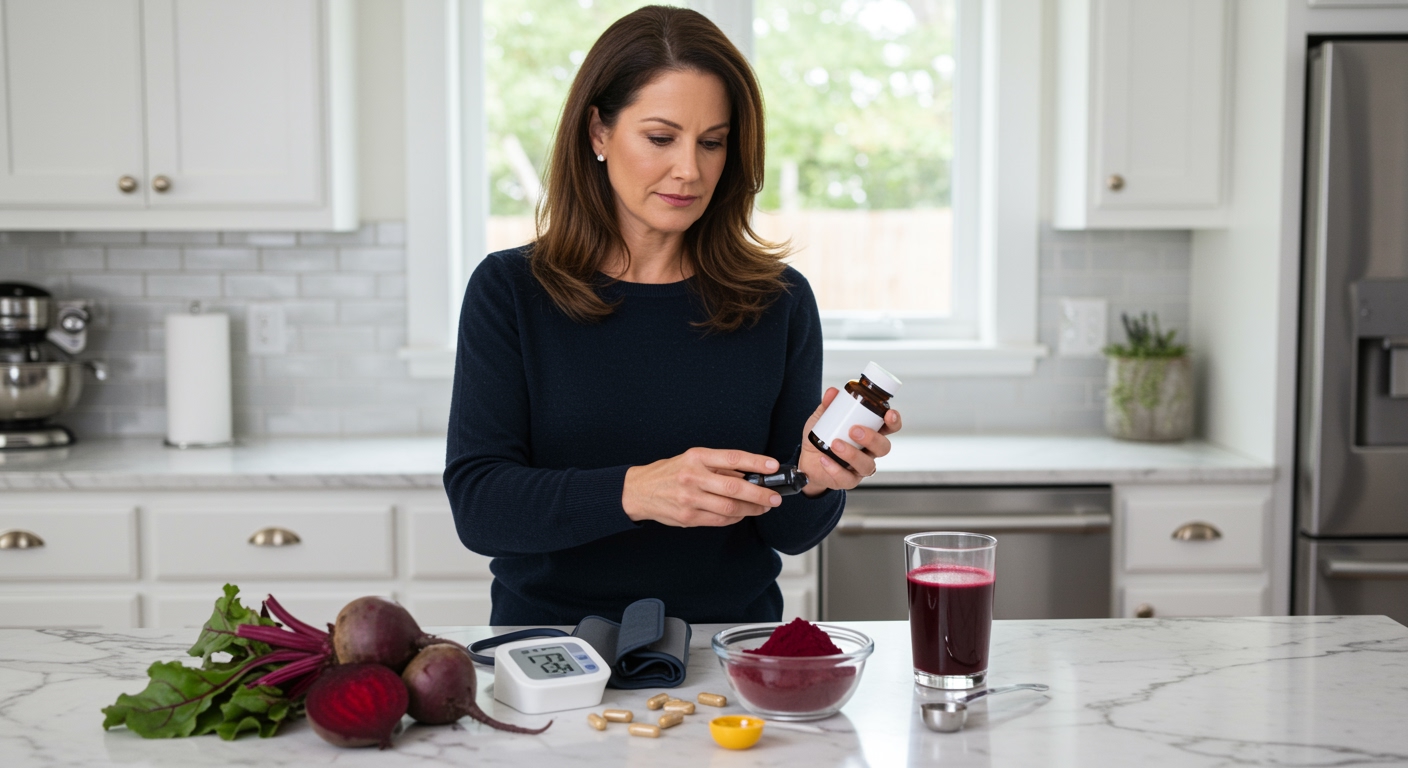
Beets contain natural nitrates that your body converts into nitric oxide, a compound that dilates blood vessels and improves blood flow.
Berries offer powerful antioxidants called anthocyanins that protect your blood vessels from inflammation and oxidative stress.
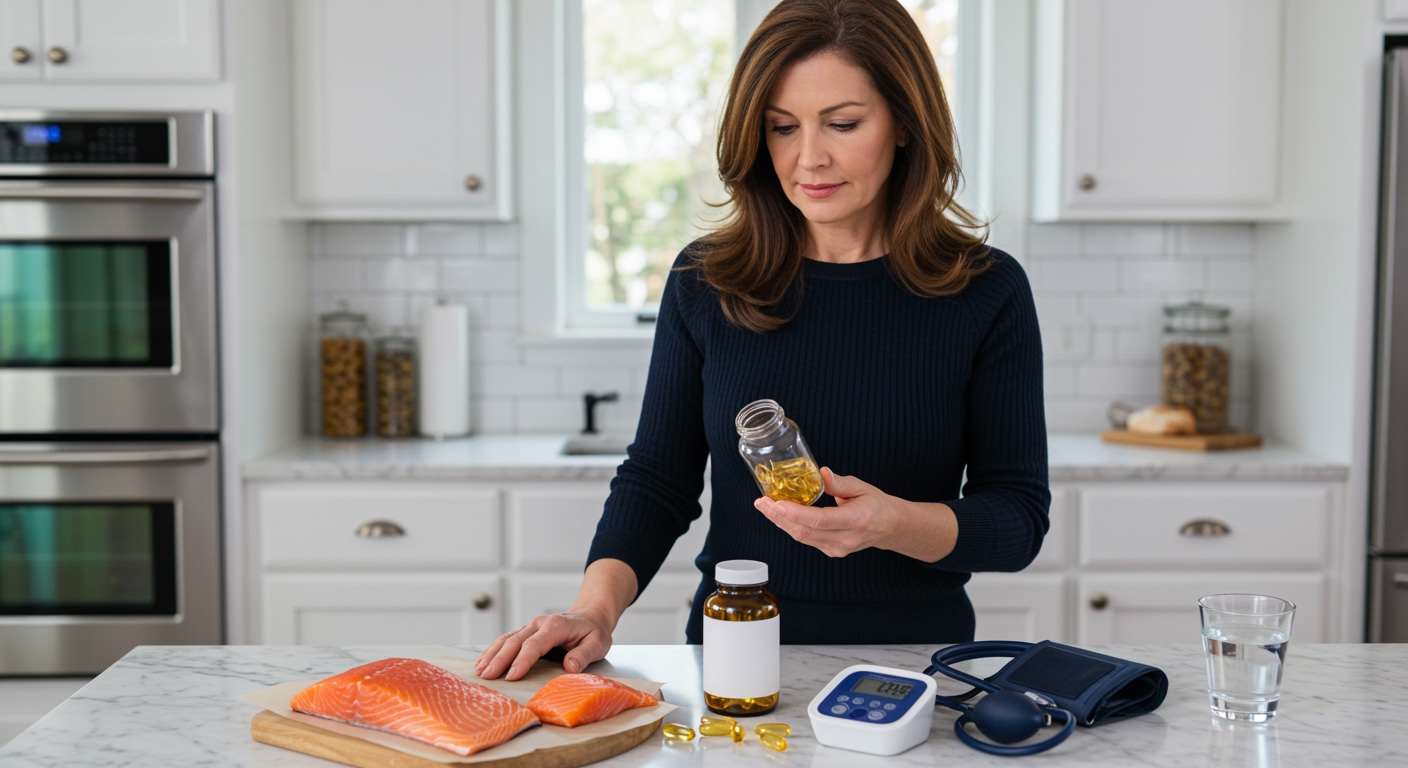
Fatty fish like salmon provide omega-3 fatty acids that reduce inflammation throughout your cardiovascular system.
Whole grains contribute additional fiber and minerals that support healthy blood pressure regulation.
The combination of these foods creates a synergistic effect that is more powerful than eating any single food alone.
✪ Fact: The American Heart Association recommends limiting sodium to 1500 milligrams daily for people with high blood pressure, not just adding potassium-rich foods.
The Bottom Line
Carrots are genuinely beneficial for managing high blood pressure when you eat them as part of a balanced, whole-food diet.
No single food is a magic bullet, but consistent healthy choices create lasting health transformations.
I would love to hear about your experience with carrots or any questions you have about managing blood pressure naturally, so please share your thoughts in the comments below.
References
At NutritionCrown, we use quality and credible sources to ensure our content is accurate and trustworthy. Below are the sources referenced in writing this article: